Are you worried about having your original work falsely flagged by an AI detector? The growing anxiety among students, freelance writers, and professionals is completely valid. People constantly ask, are AI detectors accurate?
The truth is that while a basic chat AI detector or advanced tool might seem helpful, these systems are fundamentally flawed. They rely on predictable algorithms that frequently produce stressful false positives, putting your hard work and reputation at serious risk.
Keep reading to discover exactly how these tools work and the best ways to protect your writing today.
In this article
Part 1. How Do AI Detectors Actually Function?
To truly understand the flaws in these systems, we must answer one critical question: exactly how do AI detectors work? Instead of comprehending the text like a human reader, a detector ai relies entirely on predictive mathematical algorithms. It primarily measures two distinct metrics known as perplexity and burstiness.
Perplexity evaluates how predictable your word choices are. Since AI models naturally select the most common next word, they produce text with very low perplexity.
Furthermore, an ai generator detector analyzes burstiness, which measures the variation in your sentence length and overall structure. Human writers naturally mix short, punchy sentences with long, complex ones, creating high burstiness. Conversely, AI tends to write in a very uniform and monotonous rhythm.
Ultimately, these tools do not actually understand your message. They simply scan for predictable robotic patterns, which explains why straightforward human writing often gets falsely flagged.
Part 2. Are AI Detectors Accurate? The Hard Data and Studies
When asking how accurate are AI detectors, we must look closely at the hard data. Even the creators of ChatGPT struggle. OpenAI quietly shut down their own official tool because it had a dismal 26 percent accuracy rate and a 9 percent false positive rate for human text.
Furthermore, a famous Stanford University study led by James Zou proved that a standard ai writing detector shows extreme bias against non native English speakers. The research revealed that an ai written detector falsely flagged their authentic human work over 60 percent of the time, proving these systems remain highly unreliable.
Part 3. AI Detectors vs. Plagiarism Checkers: Key Differences
Many people confuse these predictive algorithms with traditional academic software, which brings us to the critical topic of AI Detectors vs. Plagiarism Checkers: Key Differences.
Traditional plagiarism checkers are incredibly straightforward. They scan the internet and massive academic databases for exact word matches. When they flag your writing, they provide definitive proof of copied work by linking directly to the original source material.
Conversely, AI detectors rely purely on mathematical probability and educated guesswork. They do not compare your text to an existing database. Instead, they simply analyze predictive patterns and provide a percentage score based entirely on an algorithm's opinion. They can never provide actual proof of cheating, making their results highly subjective. Since these tools are essentially just guessing, evaluating which specific platforms you use is vital.
Part 4. Tips for Choosing the Right AI Detector
To find the perfect tool for your needs, keep these essential tips in mind before making a final decision.
-
Focus on False Positives
Look for tools tested by independent researchers. Prioritize platforms with the lowest proven false positive rates to protect your authentic writing.
-
Match Your Specific Needs
Academic users should choose university graded platforms, while corporate professionals and freelance writers need business focused scanners.
-
Prioritize Data Privacy
Always review the privacy policy. Ensure the software does not store or train future models on your private and proprietary documents.
-
Weigh the True Cost
Compare pricing structures carefully. Premium options provide deep contextual analysis, making them a much safer investment than highly unreliable free versions.
Part 5. How to Protect Your Writing
Since even the most accurate scanners frequently fail, modern writers desperately need a reliable defense mechanism. This is exactly where Humbot steps in as your ultimate solution.
Designed as an advanced AI humanizer, Humbot naturally restructures your text to ensure your original meaning remains perfectly intact. If your goal is to successfully bypass ai detection, this powerful tool is absolutely essential.
Humbot
4.9/5.0
- Undetectable AI Rewriting: Humbot expertly restructures your text to seamlessly bypass major detection scanners like Turnitin, GPTZero, and Originality AI.
- Meaning Preservation: The advanced algorithms ensure your original message and core ideas remain completely intact during the entire humanization process.
- Plagiarism Free Results: Every single rewrite is guaranteed to be entirely original, allowing you to pass strict academic and professional plagiarism checks with absolute ease.
- Multiple Writing Modes: You can easily adjust the tone and readability level to perfectly match your specific audience, whether you are drafting high school essays or professional business reports.
- Multilingual Support: The platform successfully humanizes content in dozens of different languages, making it a highly versatile and powerful tool for global users.

Protecting Your Writing with Humbot in Just Seconds
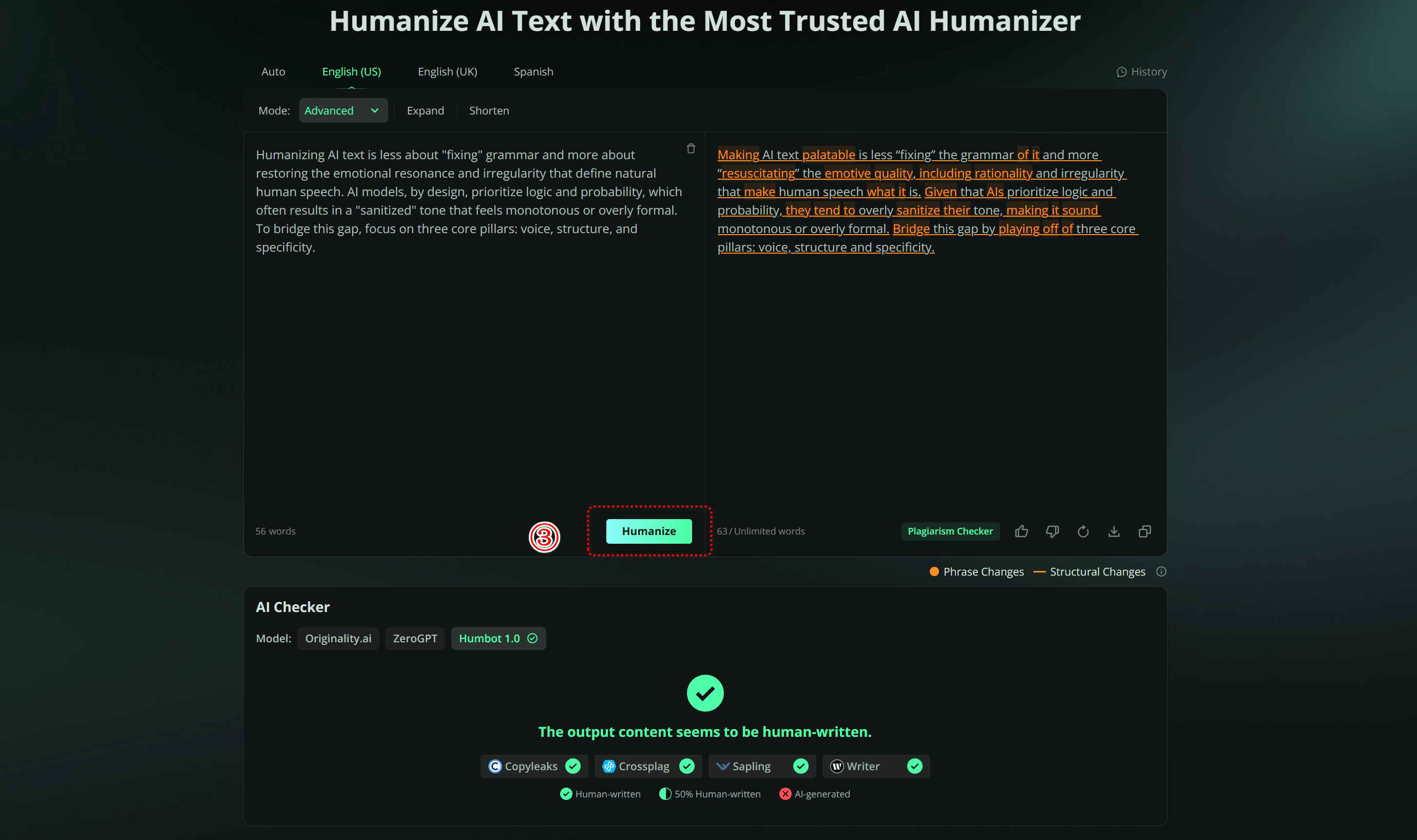
Using Humbot to humanize your AI generated text is a very straightforward process. Here is a simple step by step guide to get you started:
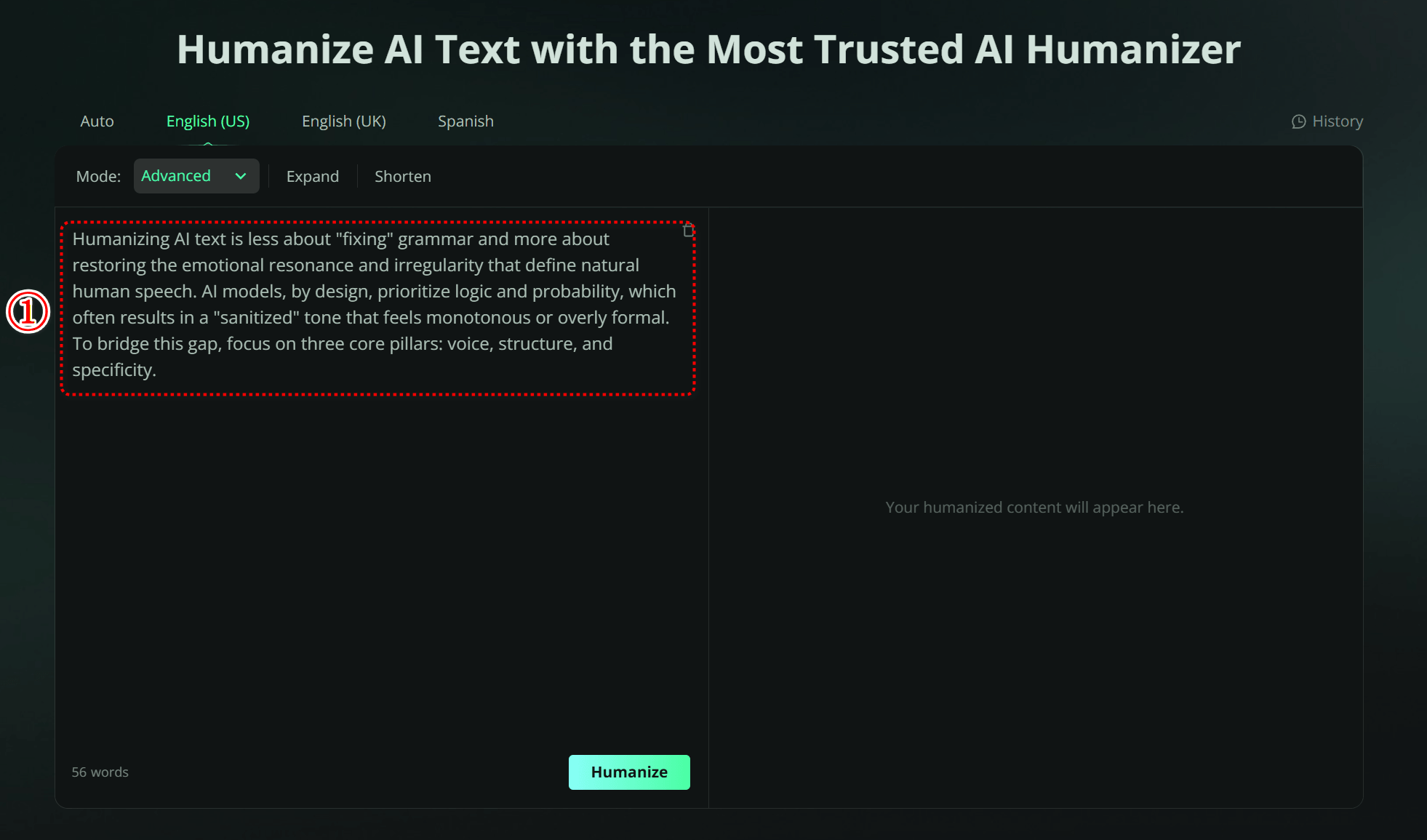
Input Your Text: Copy the AI generated content you want to humanize and paste it directly into the provided input box on the screen.
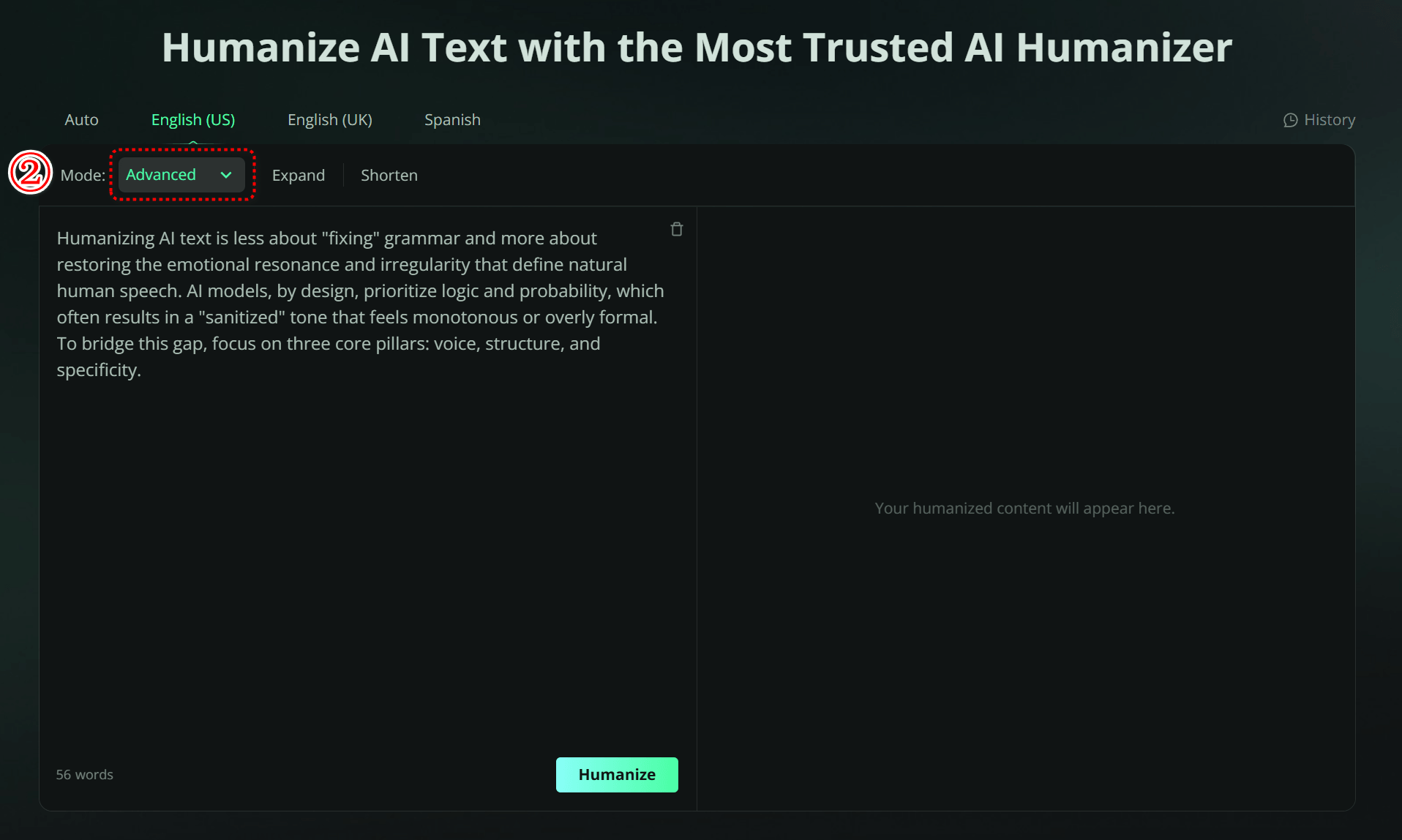
Select Your Preferences: Choose your desired humanization mode.
Initiate the Process: Click the primary humanize button to allow the advanced algorithms to analyze and carefully restructure your text.
Conclusion
In conclusion, AI detection tools are simply not accurate enough to trust completely. As the data shows, they frequently produce false positives and rely on predictive guesswork rather than concrete proof. You should only use these scanners as a preventative measure rather than a final judgment on your work.
If you are worried about facing unfair academic or professional penalties, I highly recommend using a reliable humanizer tool like Humbot to ensure your writing remains protected, authentic, and completely undetectable.
🛡️100% Data Privacy • 🚀 Instant Access